


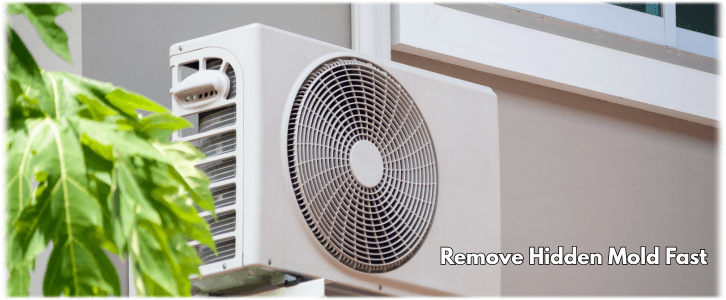
Recurring moisture or musty odors can point to a hidden problem, and HVAC mold removal in Manhattan, NY can help address contamination around accessible system components. Mold often develops where condensation, dust, and limited airflow come together. Therefore, a careful evaluation should consider both visible growth and the conditions that support it. Our team helps homeowners understand the issue and take practical next steps.
HVAC Mold Removal in Manhattan, NY for Residential Systems
Your heating and cooling equipment moves air throughout the home. However, moisture can collect around certain components during normal operation.
Our HVAC mold remediation approach focuses on accessible areas that show visible contamination. Additionally, we look for condensation, drainage concerns, or buildup nearby.
We explain what we find before recommending treatment. As a result, homeowners can make informed decisions without unnecessary pressure.
Why Mold Can Develop Around HVAC Equipment
Moisture remains the main condition mold needs to grow. Condensation can form around cooling components during hot, humid weather.
Dust and debris may also settle around vents, coils, and nearby surfaces. Consequently, moisture combined with buildup can create favorable conditions for growth.
A ductwork inspection can help identify visible moisture or contamination in accessible ventilation areas. Likewise, checking drainage pathways may reveal related concerns.
Manhattan HVAC Mold Removal for Apartments and Condos
Manhattan homeowners rely heavily on cooling systems during humid summer weather. Therefore, HVAC equipment can run for many hours each day.
Homes in Chelsea, SoHo, Tribeca, Midtown, and the Upper East Side may use very different mechanical layouts. Meanwhile, older buildings on the Upper West Side can have tighter system access.
Properties in Harlem and Washington Heights may also contain older ventilation designs. Because every home differs, we adjust our approach to the actual system.
Signs Your HVAC System May Need Attention
A persistent musty odor can provide an early clue. Visible spotting around vents or accessible equipment may also deserve evaluation.
You may notice moisture returning around the same area. Additionally, contamination that reappears after surface wiping may indicate an unresolved moisture source.
Air conditioner mold removal may become necessary when contamination affects accessible cooling components. However, moisture control remains important after treatment.
Why Moisture Control Matters After Treatment
Removing visible contamination addresses the immediate concern. Still, mold may return if excess moisture remains.
Therefore, homeowners should address leaks, drainage issues, and high indoor humidity when possible. Regular maintenance can also make recurring moisture easier to notice.
New York weather creates major seasonal changes. Summer humidity increases cooling demand, while winter keeps heating systems active.
As a result, temperature differences can create condensation in certain areas. Proper airflow and moisture management can help reduce recurring concerns.
Related Airflow and Indoor Air Services
Mold concerns sometimes appear alongside dust or airflow problems elsewhere in the home. Therefore, separate services may address different parts of the system.
Air duct cleaning can address ordinary debris inside accessible ventilation pathways. Meanwhile, HVAC cleaning can target buildup around other heating and cooling components.
Air duct mold removal may help when contamination affects accessible duct sections. We also provide dryer vent cleaning for lint buildup inside dryer exhaust lines.
Our broader air duct services can help homeowners address additional ventilation concerns throughout the property.
When Should You Schedule HVAC Mold Removal in Manhattan, NY?
Consider an evaluation when musty odors persist or visible growth appears near HVAC equipment. You should also act when moisture keeps returning.
Recent leaks, water damage, or drainage problems can provide another reason to check the system. Likewise, renovation work can disturb dust and expose hidden conditions.
Early attention can help identify the source before the issue becomes more difficult to manage.
Frequently Asked Questions
What causes mold to develop around HVAC systems?
Moisture, condensation, dust, poor drainage, and high humidity can create conditions that support mold growth around HVAC components.
Can HVAC mold return after treatment?
Yes, mold can return when excess moisture remains. Therefore, correcting leaks, drainage, or humidity issues plays an important role.
How can I schedule HVAC mold removal in Manhattan?
Call (929) 734-9854 to discuss your concerns and arrange an evaluation. We provide HVAC mold removal in Manhattan, NY with clear recommendations and careful service.
Do not let recurring moisture give mold more time to affect your system. Call (929) 734-9854 today for dependable HVAC mold removal in Manhattan, NY.